How to promote your music without showing your face
Plenty of artists don't want to be on camera: a day job, anxiety, privacy, or simply wanting the music to be the point. The good news is that the short-video feeds don't need your face. They need people to stop, watch and come back to your sound.
TikTok's own explanation of its For You feed puts the weight on how people interact with a video, such as whether they watch it to the end, rewatch it or share it, not on who appears in it. A lyric edit that holds people for fifteen seconds does more for your song than a performance clip they swipe away from in two.
Build a world instead of a face
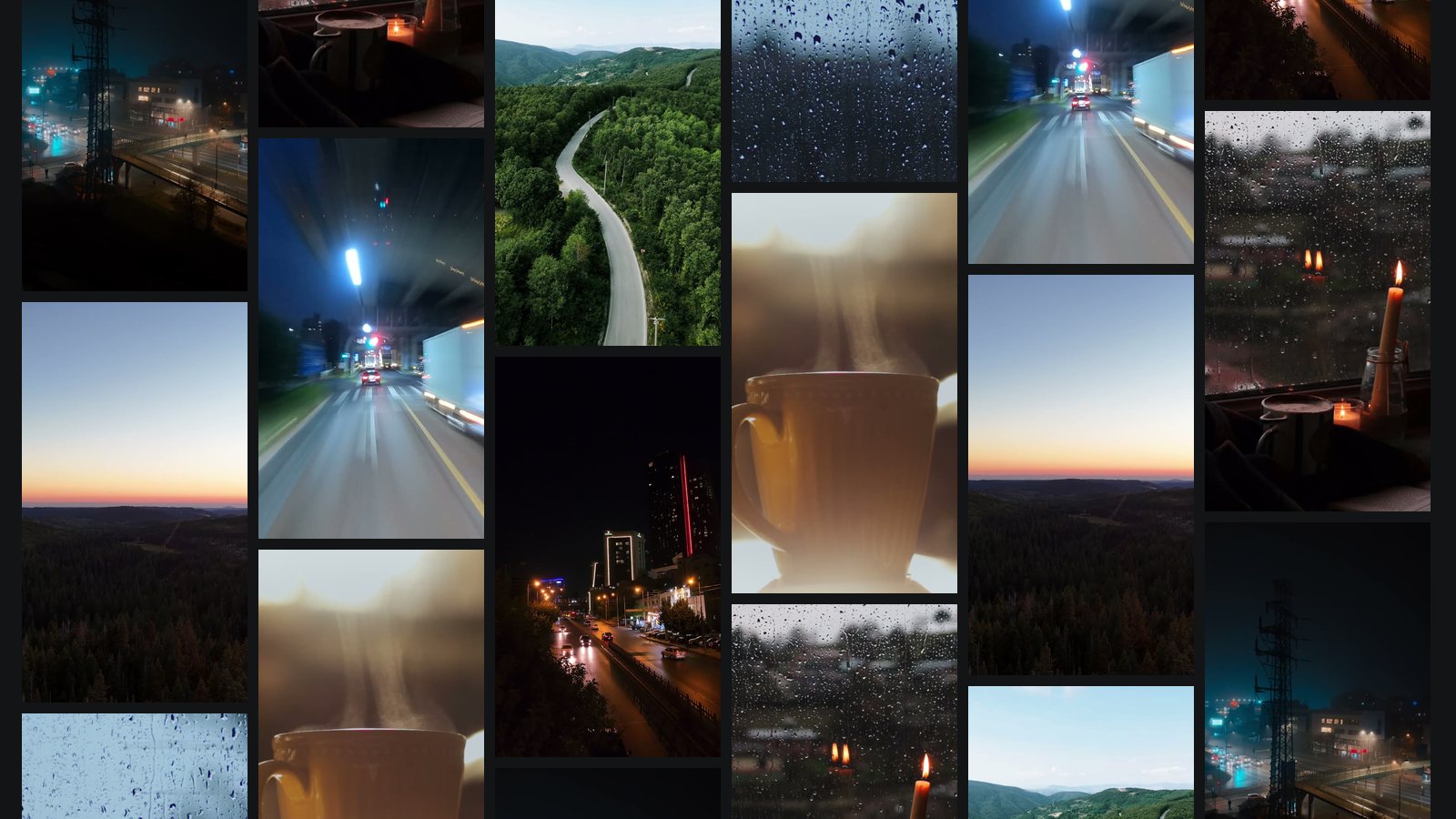
Faceless doesn't mean anonymous. People still need something to recognise. Daft Punk had helmets, Gorillaz had cartoons; you can have something much simpler:
- A palette: night blues and orange street light, or washed-out film, or black and white. Pick one and stick to it.
- A place: your city at night, the sea, an empty road. The same kind of footage in every post.
- A type style: one caption font and one way the words appear, so a post is yours before the sound kicks in.
- A voice in the captions: the way you write hook lines, first person, lower case, a little too honest.
- Optionally a symbol: a mask, a colour, an object that shows up in every video.
Consistency is what turns a dozen faceless videos into an artist people follow.
Formats that work without a face
1. Lyric edits on mood footage
The core of faceless promotion. The chorus, the words landing on the vocal, footage that matches the feeling, and a hook line on top that gives people a reason to stay past the first second. Post several versions of the same part: different footage, different hook, same song.
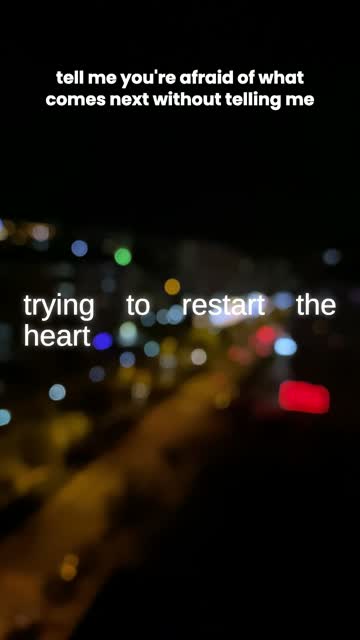
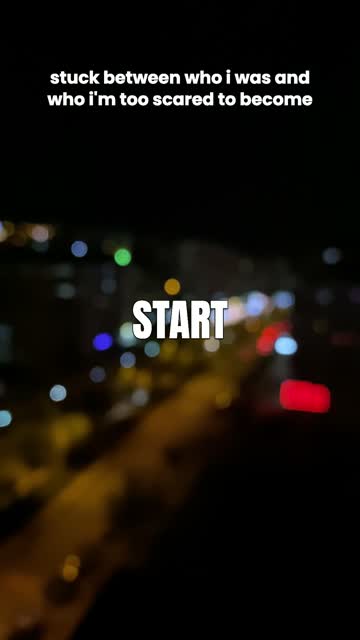
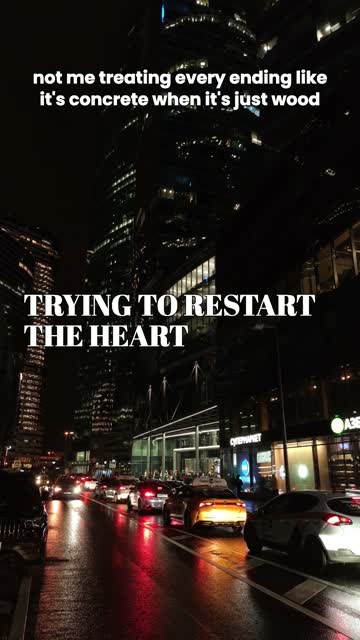
2. Your own mood footage
Stock footage works, but footage you shoot yourself is what makes the world yours. You don't have to be in it: shoot what you see. Fifteen minutes on a walk or a drive is enough for weeks of posts.
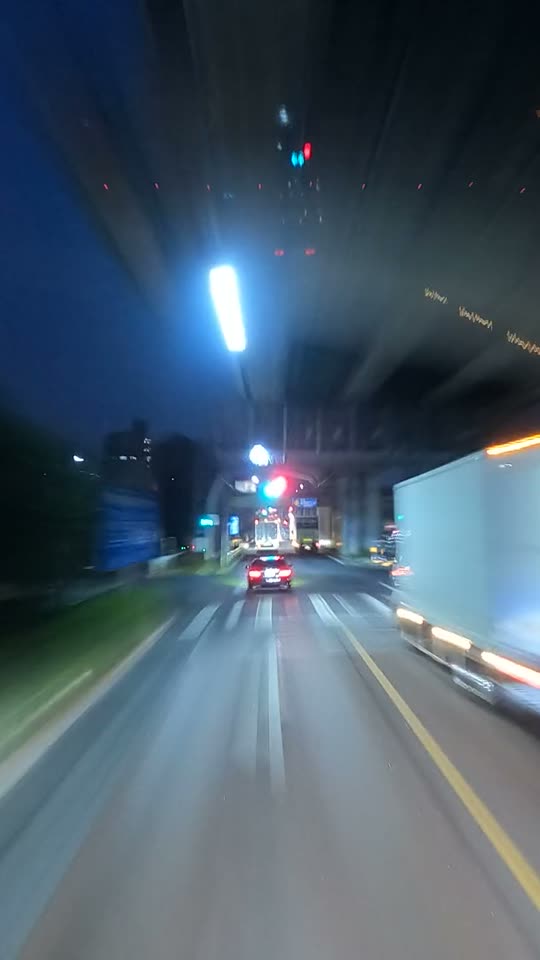

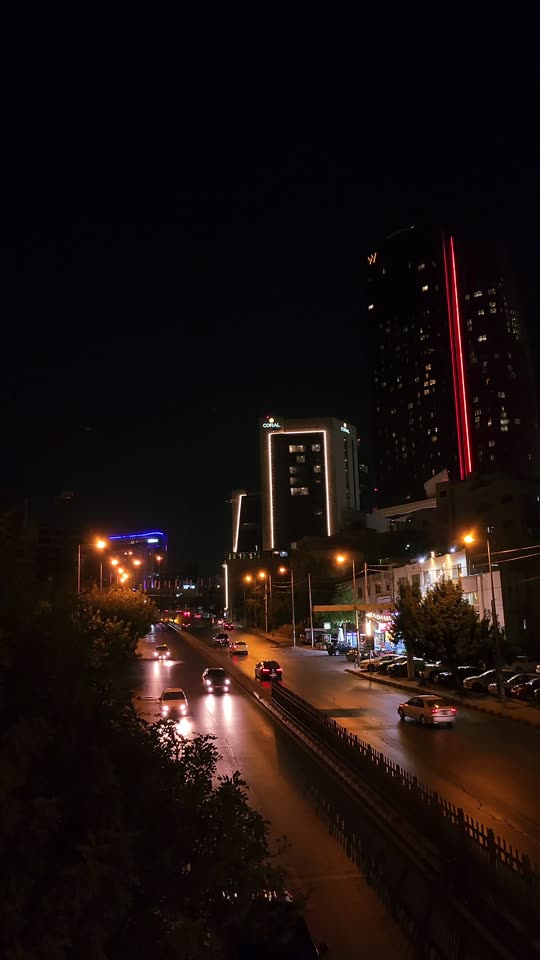

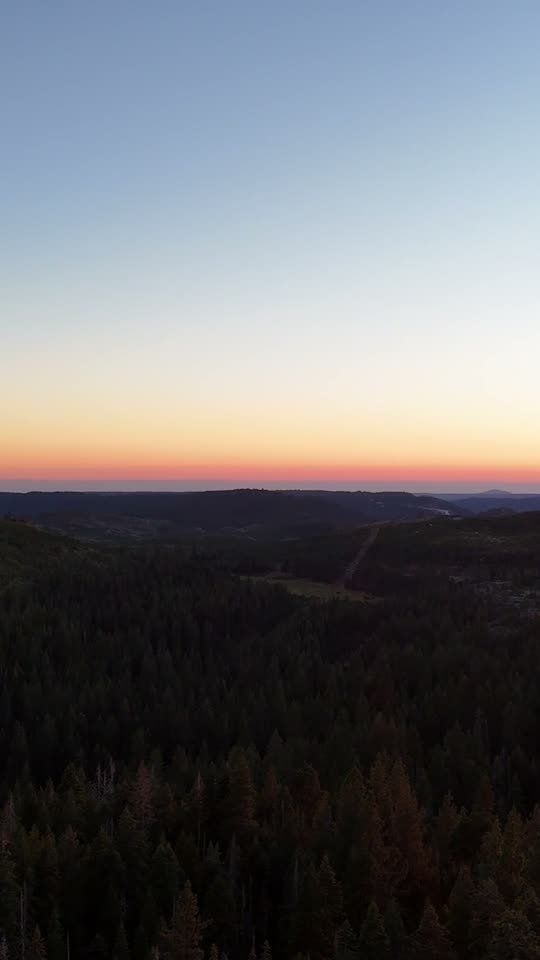

- Shoot vertical, 5 to 10 seconds a shot, phone held still.
- No talking, no people's faces (theirs need permission, and yours is the point of this article).
- Go at the same time of day each time, so the light and colour stay consistent.
- Shoot details as well as views: a hand on a railing, a ticket, keys, a cup.
Upload the clips to still.frame as your own footage and every lyric edit is built from your shots.
3. Hands-only performance
Point the phone at your hands: fingers on the keys, the frets, the pads, the knobs. Film from your side, as if the viewer were playing. It shows the song is real and played by someone, without showing who.
4. The screen and the room
The DAW with the song's arrangement, the waveform of the vocal take, the voice memo list, the notebook with crossed-out lines, the room you record in with the lights off. Put the finished chorus over it.
5. Story told in text
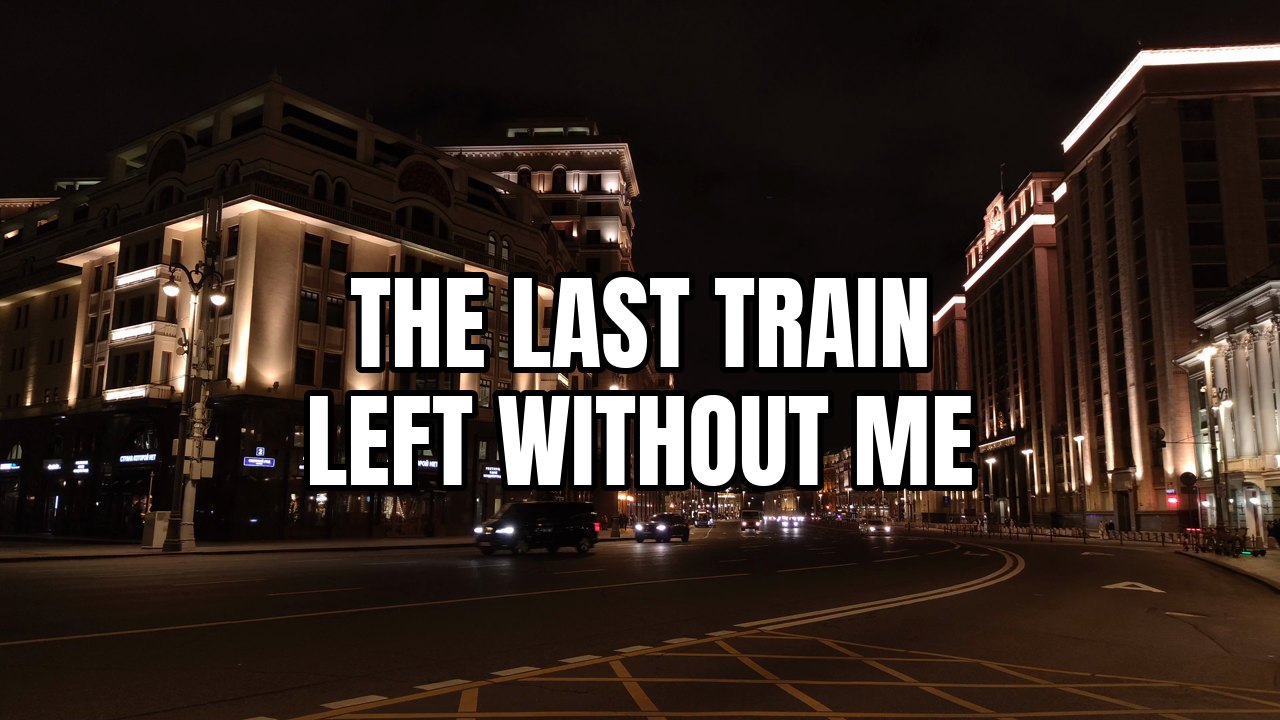
Instead of talking to camera, write it: "I wrote this after missing the last train home", line by line over your footage, then the chorus comes in. It's the faceless version of the story-behind-the-song video, and it often reads as more personal.
6. A full lyric video for YouTube
Short videos get people to the song; a full-length lyric video is where they listen to all of it. It needs no face either: the whole track over footage, every line on the vocal.
7. Other people's videos
Duet and stitch anyone who uses your sound, share the best fan edits, and ask for more with an easy prompt: "make an edit with this for your night drive". All of it promotes the song and none of it needs your face.
Mistakes that sink faceless accounts
- Reposting the identical clip. Same audio is fine; same video isn't. Change the footage, the hook or the cut every time.
- Generic stock that looks like everyone's. Mix in your own footage, keep one colour treatment, and the stock stops looking stock.
- No words on screen. Without a face, the text is your voice. A video with no hook line gives people nothing to react to.
- Talking about the release instead of the feeling. "Out now" is information. "pov: you still drive past their house" is a reason to watch.
- Posting in bursts. Five videos one day and nothing for two weeks. Make a batch, then post a few a week, steadily.
A simple plan
- Choose your palette, your place and your caption font.
- Shoot one mood pack of 15 to 20 clips, or pick a footage pack that fits.
- Make a batch of lyric edits of the chorus with different hooks.
- Post a few a week, and fill the gaps with hands, screen and text-story posts.
- After two weeks, keep the hooks and footage that held people and make the next batch around them.